
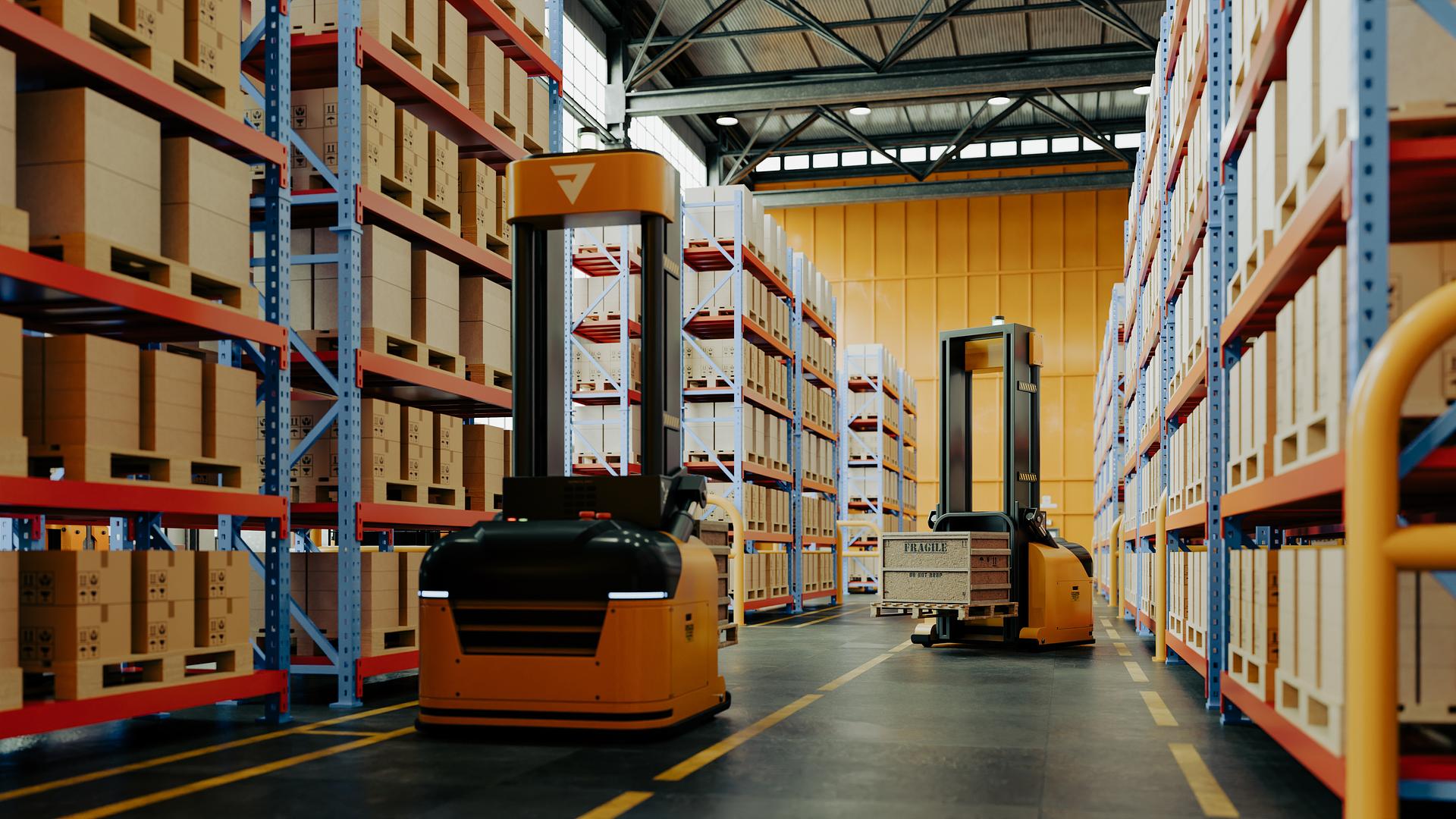
Buying surplus industrial equipment can be a smart strategy for businesses looking to expand capacity, reduce capital expenditure, or replace aging machinery. Industrial equipment often represents a significant investment, and surplus machines—whether from plant closures, upgrades, or excess inventory—can offer exceptional value when sourced wisely. Knowing what to look for, what questions to ask, and how to assess condition can make the difference between a solid investment and an operational headache.
One of the first steps in purchasing surplus machinery is identifying what your facility truly needs. Material handling equipment such as forklifts and gantry cranes should be evaluated for load capacity, reach, and compatibility with your existing workflows. Toolroom equipment, presses, and forging machinery require consideration of tonnage, tooling compatibility, and serviceability. Taking time to define application requirements will help you filter surplus inventory effectively and narrow choices to machines that will perform reliably on day one.
Condition assessment is critical when buying used equipment. Unlike new machinery, surplus machines are often sold “as-is,” and buyers must evaluate wear, maintenance history, and any hidden issues. Ask for detailed photos, operational videos, and maintenance records when available. Look for visible signs of wear, such as worn forks on a forklift, rust on structural components, or excessive play in moving parts. Understanding what repairs might be needed enables you to budget accurately and avoid unexpected costs after purchase.
Another key consideration is understanding the seller’s background and reputation. Trusted surplus equipment dealers have years of industry experience, transparent listings, and clear communication about machine history and condition. Dealers with deep rigging knowledge and hands-on experience in moving heavy machinery are also better positioned to coordinate safe transport and setup at your facility. Choosing an experienced partner ensures a smoother buying process and long-term peace of mind.
Price is a major factor in surplus equipment buying, but it should not outweigh quality and suitability. Surplus machinery priced significantly below market value may signal hidden issues or incomplete documentation. Engage with sellers to understand why a machine is priced a certain way and if any additional costs—such as refurbishment, rigging, or transport—are required. A fair and transparent price reflects both the machine’s condition and its potential operational life.
Finally, timing and flexibility matter when buying surplus industrial equipment. The best inventory moves fast, and a proactive approach—checking listings regularly, communicating with dealers quickly, and being ready to act—can make the difference in securing the right machine. By combining careful assessment, clear requirements, and industry knowledge, businesses can leverage surplus equipment to maintain productivity while optimizing their capital investments.